Infusion Pumps are an important product category for distributors and healthcare partners evaluating veterinary infusion systems. A useful review starts with workflow needs, confirmed specifications, configuration options and the documentation required to compare products consistently. This guide uses only approved AVIMEDIX product information and avoids unsupported regulatory or clinical claims.
\n
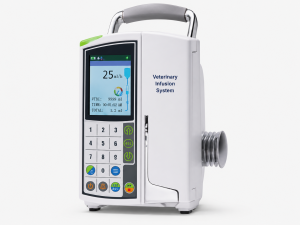
\n
Infusion Pumps: Why the Selection Process Matters
\n
When buyers compare infusion pumps, the most useful starting point is not a long feature list. It is a clear definition of the intended use, operator environment, documentation requirements and model-specific features that actually affect the workflow. This approach is especially useful for distributors who need to qualify different customer requests without overstating product capabilities.
\n
Confirmed Product Information
\n
One confirmed product point is that portfolio includes infusion pumps, syringe pumps, docking stations and centralized monitoring configurations This should be reviewed in relation to the intended workflow and exact configuration.
The approved product information also notes that wIT-601A: 3.2-inch color LCD, 12 infusion modes, 0.10–1200 mL/h flow range, optional Wi-Fi, optional fluid warmer, up to 20,000 infusion records This should be reviewed in relation to the intended workflow and exact configuration.
Another supported specification or portfolio detail is that t6: 3.5-inch color touchscreen, 0.1–1500 mL/h flow range, open-system IV tube compatibility, optional Wi-Fi, up to 20,000 infusion records and 10,000 alarm records This should be reviewed in relation to the intended workflow and exact configuration.
For evaluation purposes, it is useful to note that wIT-301A: syringe pump supporting 5, 10, 20, 30 and 50/60 mL syringes, 10 injection modes, drug library, optional Wi-Fi This should be reviewed in relation to the intended workflow and exact configuration.
A further confirmed detail is that t3: touchscreen syringe pump, stackable, supports 5–60 mL syringes, 10 injection modes, drug library/history and Wi-Fi interface This should be reviewed in relation to the intended workflow and exact configuration.
\n
Specifications and Configuration Questions
\n
A structured comparison should separate confirmed specifications from optional functions. This prevents a feature from being repeated as standard when it applies only to a selected configuration. For commercial discussions, the exact model, accessory package and requested documentation should be recorded together.
\n
- Define the intended workflow before comparing product features.
- Confirm which specifications apply to the exact model or assay.
- Separate standard features from optional configurations.
- Check accessories, compatibility requirements and documentation needs.
- Request the latest product information before repeating technical claims.
- Compare flow range, syringe or IV-tube compatibility, battery runtime and record functions.
- Do not describe WIT models as specifically designed for veterinary use unless separately verified.
\n
How to Review the Workflow
\n
For infusion pumps, workflow review should consider what happens before use, during operation and after the test or procedure. Before use, buyers can confirm preparation, accessories, consumables and compatibility requirements. During use, attention should stay on the functions supported by the selected product. After use, documentation, result handling, records, cleaning or storage requirements may become relevant depending on the product category.
\n
Documentation to Request
\n
Before a distributor or clinic finalizes a purchase decision, it is useful to request the current specification sheet, model or assay identification, configuration list, accessory information and instructions relevant to operation. If a feature is described as optional, confirm whether it is included in the quoted configuration. The latest product documentation should take priority over older summaries or assumptions.
\n
Distributor Qualification Checklist
\n
A repeatable qualification process can help distributors handle inquiries more efficiently. The internal checklist can record intended application, user environment, required specifications, optional features, requested accessories, product documentation, estimated quantity and unresolved technical questions. This creates a clearer basis for quotation and follow-up.
\n
Commercial Evaluation Considerations
\n
Commercial evaluation should remain separate from unsupported clinical or regulatory claims. Buyers can compare the confirmed configuration, available options, accessories, documentation, expected order quantity and market-specific requirements that they need to verify independently. Questions that cannot be answered from approved product information should be escalated rather than filled with assumptions.
\n
Related AVIMEDIX Resources
\n
Review the Veterinary Infusion Systems page for the product category, browse the AVIMEDIX product portfolio, visit the resources section, or contact AVIMEDIX for product and commercial inquiries.
\n
Independent Further Reading
\n
For broader professional background, readers may also consult independent veterinary or medical resources. These links are provided for general reference and do not imply endorsement of AVIMEDIX products.
\n
\n
Frequently Asked Questions
\n
Are the referenced WIT infusion models confirmed as veterinary-specific designs?
The supplied WIT brochure describes human medical application contexts. AVIMEDIX groups the systems in its veterinary portfolio, but the source material alone does not support a veterinary-specific design claim.
\n
What should buyers compare when evaluating veterinary infusion systems?
Start with intended workflow, confirmed specifications, model-specific options, compatibility requirements and the documentation supplied for the exact product.
\n
Should every advertised feature be assumed to apply to every model?
No. Several features may be model-specific or optional. Confirm the exact configuration before procurement.
\n
Where can buyers request product information?
AVIMEDIX provides product information and commercial support through its product and contact pages.
\n
Final Takeaways
\n
A practical review of infusion pumps should stay focused on confirmed facts, workflow fit and the exact configuration under discussion. A structured process gives distributors and clinical buyers a clearer way to compare options while avoiding unsupported claims. AVIMEDIX can provide additional product information, configuration details and commercial support for qualified inquiries.
\n
Why Model-Specific Details Matter
Products in the same category can support different workflows because of differences in interface, compatibility, accessories, operating modes or monitoring options. When reviewing infusion pumps, recording the exact model and configuration helps reduce misunderstandings between supplier, distributor and end user. The review should always distinguish confirmed standard functions from options that need separate confirmation.
\n
Keeping Product Content Accurate
Product webpages and sales materials should distinguish confirmed specifications from general educational explanations. Regulatory status, diagnostic performance, clinical outcomes and market approvals should never be inferred from a product category or unrelated models. Current documentation should be checked before claims are reused, and unsupported statements should be removed rather than softened with vague wording.
\n
After-Sales Questions to Clarify
Before finalizing an order for infusion pumps, buyers may want to clarify what documentation is supplied, how model-specific questions are handled, and whether accessories or consumables need to be ordered separately. Where maintenance, calibration, cleaning, storage or replacement items are relevant, those details should be confirmed for the exact model. Keeping these questions in the procurement record makes later support discussions more consistent.
\n
Building a Repeatable Review Process
Using the same review framework across multiple inquiries can improve consistency. The process can record the customer application, technical requirements, optional features, accessories, documentation requests, commercial quantity and unresolved questions. A standardized form also helps sales teams distinguish facts that are already confirmed from questions that still require technical follow-up. This makes later quotation and customer communication easier to audit.
\n
Preparing a Product Brief
A concise product brief for infusion pumps can summarize the intended application, confirmed specifications, selected configuration, accessories, documentation and open technical questions. The brief should avoid unsupported performance or regulatory language. For distributors managing several inquiries, a consistent brief can reduce duplication and make it easier to compare what each customer actually requested.