Veterinary Fluorescence Tests is the focus of this AVIMEDIX buyer guide. The article reviews confirmed product information, workflow questions and procurement considerations without adding unsupported regulatory, clinical-performance or market-approval claims.
Veterinary Fluorescence Tests: Practical Overview
When evaluating veterinary fluorescence tests, start with the exact product, assay or configuration and the current supporting documentation. A useful review records the intended workflow, confirmed specifications, standard features, optional functions, accessories or consumables, and the questions that still need supplier confirmation. This keeps the comparison useful for distributors and buyers while preventing features from another model or assay from being copied into the wrong product description.
Confirmed Product Information
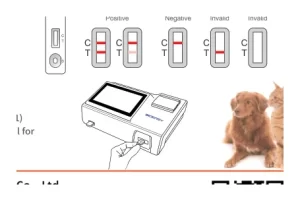
The AniEasy fluorescence range includes Feline Serum Amyloid A, Canine C-reactive Protein, and feline and canine pancreas-specific lipase rapid tests. This statement should be checked against the current model or assay documentation before it is reused in a quotation, catalog or published product page.
The range also includes several canine and feline antibody rapid tests. This statement should be checked against the current model or assay documentation before it is reused in a quotation, catalog or published product page.
Fluorescence cassettes use the EASY-11 analyzer for result interpretation. This statement should be checked against the current model or assay documentation before it is reused in a quotation, catalog or published product page.
Depending on the assay, listed sample types include whole blood, serum or plasma. This statement should be checked against the current model or assay documentation before it is reused in a quotation, catalog or published product page.
Exact assay timing and handling instructions should be confirmed in the relevant manual. This statement should be checked against the current model or assay documentation before it is reused in a quotation, catalog or published product page.
How to Compare Veterinary Fluorescence Tests
- Confirm the exact model, assay or configuration before comparing features.
- Separate standard functions from optional features and accessories.
- Record the intended user environment and workflow instead of comparing specifications in isolation.
- Check which documentation is available for the exact item being quoted.
- Avoid assuming that a feature from another model, assay or product family also applies here.
- Do not add regulatory, diagnostic-performance or clinical-outcome claims unless current product-specific documentation supports them.
Workflow Questions to Ask
A practical veterinary fluorescence tests review should follow the complete workflow. Before use, buyers may need to check preparation, compatible accessories, consumables, charging, blade selection, tubing, syringe size, sample requirements or analyzer requirements depending on the product. During use, attention should remain on the functions documented for the exact item. After use, storage, reprocessing, record handling, result interpretation or documentation may become relevant.
For distributors, the same workflow can be turned into a repeatable qualification form. The form can record customer type, intended application, required features, optional features, expected order quantity, requested documentation and unresolved technical questions. A structured record makes quotation and follow-up more consistent and reduces the chance that unsupported claims are introduced during sales communication.
Procurement Checklist
- Exact item: veterinary fluorescence tests
- Required configuration and accessories
- Confirmed specifications from current documentation
- Standard versus optional functions
- Compatible consumables, blades, tubing, syringes, test cassettes or other items where relevant
- Power, battery, analyzer, display or connectivity requirements where relevant
- Documentation required by the distributor or end user
- Commercial quantity and packaging requirements
- Technical questions that require supplier confirmation before quotation
Documentation and Claim Control
SEO content about veterinary fluorescence tests should not create new medical claims. Product pages and blog articles are strongest when they explain specifications, workflow and procurement choices while staying inside the limits of approved product information. If a regulatory approval, diagnostic-accuracy figure, clinical outcome or market authorization is not documented for the exact product, it should not be inserted simply to make the article sound stronger.
The same principle applies to feature wording. If a function is optional, say so. If a specification belongs to one model, name that model. If a source brochure describes another application context, do not silently convert it into a stronger use claim. Clear limitation language is more useful to professional buyers than vague or exaggerated marketing copy.
Related AVIMEDIX Resources
Review the veterinary fluorescence tests product category, AVIMEDIX Products, AVIMEDIX Resources, and Contact AVIMEDIX for product and commercial information.
Independent Further Reading
For broader professional background, readers may also consult independent veterinary or medical resources. These links are provided for general reference and do not imply endorsement of AVIMEDIX products.
Frequently Asked Questions
What should a buyer confirm first about veterinary fluorescence tests?
Confirm the exact model, assay or configuration and then review only the specifications documented for that exact item.
Should every feature mentioned in a product family be assumed to apply to veterinary fluorescence tests?
No. Standard and optional features should be separated, and model-specific functions should be confirmed before quotation.
Can veterinary fluorescence tests content include regulatory or clinical-performance claims?
Only when current product-specific documentation supports the exact claim. Unsupported claims should be omitted.
Where can buyers request more information about veterinary fluorescence tests?
AVIMEDIX provides product information and commercial support through its product and contact pages.
Veterinary Fluorescence Tests: Final Buyer Takeaways
A strong veterinary fluorescence tests evaluation combines confirmed specifications with workflow, configuration and documentation questions. Buyers should keep the exact item, accessories, optional functions and unresolved questions together in the same review. This creates clearer procurement discussions and reduces the risk of repeating unsupported claims.
Why Exact Configuration Matters
The same product category can contain several configurations, so a veterinary fluorescence tests quotation should identify exactly what is included. A concise configuration record can list the model or assay, standard components, optional features, accessories, documentation and any dependencies such as compatible consumables or external equipment. This makes it easier for both distributor and customer to understand what is being compared and prevents a feature from being copied from an unrelated configuration. It also gives the sales team a clear reference when the customer returns with technical questions after the initial quotation.
Building a Distributor Product Brief
A distributor product brief for veterinary fluorescence tests can summarize the intended customer, workflow, confirmed specifications, configuration, accessories and commercial questions in one place. The brief should identify statements that still require technical confirmation. Keeping facts and open questions separate is especially useful when several salespeople or regional partners are handling the same product line. A consistent brief also makes future updates easier because the team can see exactly which claims came from current documentation and which points were only customer requirements.
Using Search Content Without Keyword Stuffing
Search visibility improves when an article answers the buyer’s real question clearly. Repeating veterinary fluorescence tests excessively does not improve the usefulness of the page. A better approach is to use the exact focus phrase in the title, introduction, a relevant heading and several natural passages, while related terminology appears only where it accurately describes the product or workflow. This keeps the article readable and avoids repetitive SEO copy. It also helps each page target a distinct search intent instead of forcing every article in the same product line to compete for one identical keyword.
Reviewing the Draft Before Publication
Before publication, the editor should check the post title, focus keyword, SEO title, meta description, URL, internal links, external links, heading structure, FAQ, product facts and image ALT text. The editor should also verify that the article does not contain accidental placeholders other than the intentional image position. Once the final product image is added, its ALT text should describe the image naturally and include the focus phrase only when that wording accurately matches what the image shows. The final review should also confirm that no manufacturer logo or unrelated brand material has been introduced.
Keeping Related Posts Distinct
When multiple articles cover one product line, each page should answer a different buyer question. For veterinary fluorescence tests, that can mean focusing on a model, assay, specification, workflow, configuration or procurement issue rather than copying a generic product overview. Distinct angles improve site structure and make internal linking more useful. They also reduce the risk of keyword cannibalization, where several pages compete for the same search query without giving the reader a clear reason to choose one page over another.