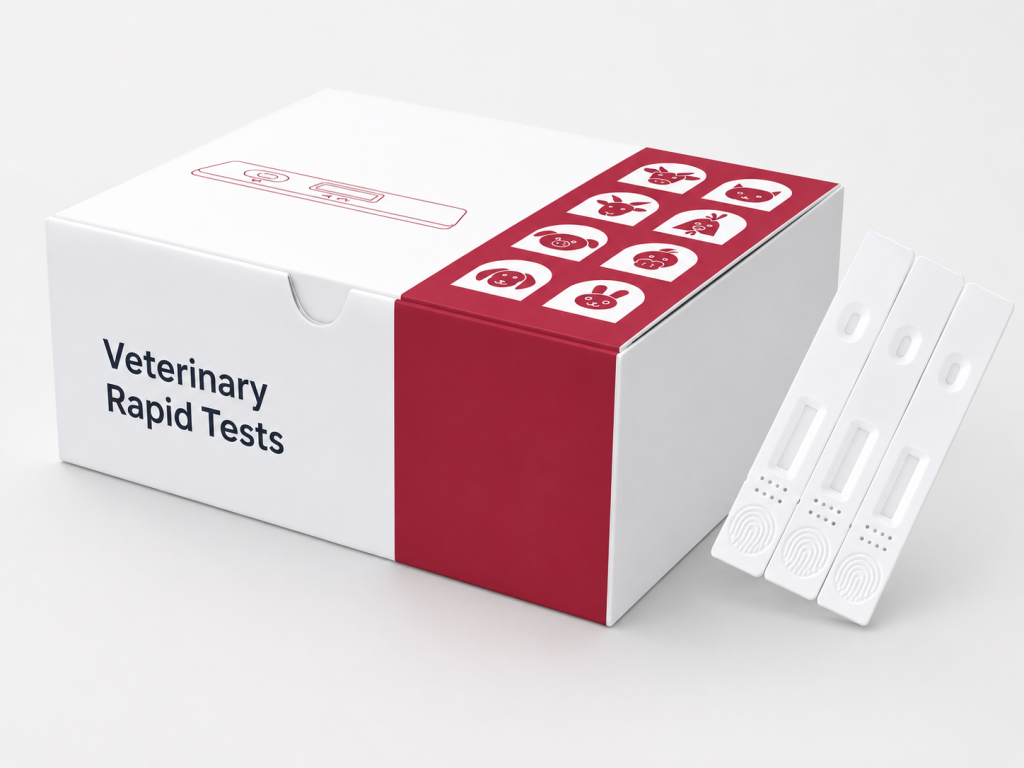
How veterinary rapid tests support faster screening workflows in companion animal clinics is a practical subject for distributors, clinics and healthcare partners evaluating veterinary rapid tests. A useful evaluation starts with workflow needs, configuration, supported product facts and the information required to compare options consistently. This article summarizes those points using the product information currently approved for AVIMEDIX.
Workflow Context
A practical evaluation should begin by defining the use case, the people who will operate the product, and the specifications that genuinely affect workflow. For distributors, this also means separating standard features from optional configurations and identifying which product documents should be supplied to customers.
Before the Procedure or Test
One confirmed point is that rapid tests for canine and feline infectious diseases and selected clinical biomarkers This should be considered in relation to the intended workflow rather than treated as a stand-alone purchasing claim.
The approved product information also notes that colloidal gold tests are visually interpreted This should be considered in relation to the intended workflow rather than treated as a stand-alone purchasing claim.
Another specification or portfolio point is that fluorescence tests can use the EASY-11 analyzer This should be considered in relation to the intended workflow rather than treated as a stand-alone purchasing claim.
For product evaluation, it is useful to note that results can be available in as little as 10 minutes depending on the assay; users should refer to the assay manual for exact timing This should be considered in relation to the intended workflow rather than treated as a stand-alone purchasing claim.
A further supported detail is that sample types vary by assay and may include feces, vomit, secretions, whole blood, serum or plasma This should be considered in relation to the intended workflow rather than treated as a stand-alone purchasing claim.
During Use
One confirmed point is that results can be available in as little as 10 minutes depending on the assay; users should refer to the assay manual for exact timing This should be considered in relation to the intended workflow rather than treated as a stand-alone purchasing claim.
The approved product information also notes that sample types vary by assay and may include feces, vomit, secretions, whole blood, serum or plasma This should be considered in relation to the intended workflow rather than treated as a stand-alone purchasing claim.
Another specification or portfolio point is that examples in the current range include Canine Parvovirus Antigen, Canine Coronavirus Antigen, Canine Distemper Virus Antigen, Canine Influenza Virus Antigen, Feline Panleukopenia Virus Antigen, Feline Coronavirus Antigen, Giardia Antigen, Feline Serum Amyloid A. This should be considered in relation to the intended workflow rather than treated as a stand-alone purchasing claim.
Result, Record or Device Management
Before selection, buyers should translate general product interest into a short list of operational questions. That keeps the discussion focused on confirmed specifications and reduces the risk of choosing a configuration based on features that are optional or irrelevant to the intended workflow.
- Confirm the intended workflow and user environment.
- Compare supported specifications rather than relying on broad marketing language.
- Check configuration options, accessories and compatibility requirements.
- Ask for current product documentation before final commercial decisions.
- Separate confirmed product facts from optional or model-specific features.
- Confirm the assay target, sample type and exact timing in the relevant manual.
- Distinguish visually interpreted colloidal gold tests from analyzer-assisted fluorescence tests.
Common Procurement Questions
For more information, review the Veterinary Rapid Tests page and the AVIMEDIX product overview. For specifications, configuration questions or commercial inquiries, use the contact page.
Frequently Asked Questions
Can all veterinary rapid tests use the same sample type?
No. Sample type varies by assay and may include feces, vomit, secretions, whole blood, serum or plasma. The relevant assay manual should be followed.
What should buyers compare when evaluating veterinary rapid tests?
Start with the intended workflow, confirmed specifications, configuration options, compatibility requirements and the documentation supplied for the exact model or assay.
Should every feature be assumed to apply to every model?
No. Several features in the approved materials are model-specific or optional. Buyers should confirm the exact configuration before procurement.
Where can buyers request more product information?
AVIMEDIX can provide product information and commercial support through the product and contact pages linked in this article.
Final Evaluation Notes
Product selection in medical and veterinary settings is usually more reliable when the evaluation is documented. A simple worksheet can record the intended use, required specifications, optional features, accessories, training needs, service questions and commercial terms. This also makes it easier for distributors to compare configurations consistently across customer requests.
AVIMEDIX content is intended to help buyers organize product questions and understand currently documented features. Exact configurations, assay instructions and model-specific capabilities should always be confirmed using the latest product information supplied for the item under consideration.
Documentation to Request
For a structured procurement process, request the current specification sheet, model or assay identification, configuration list, accessory information and any instructions relevant to operation. If a feature is described as optional, confirm whether it is included in the quoted configuration. Documentation should be reviewed before product claims are repeated in distributor materials.